Guides · Altamonte Springs, Florida
Living in Altamonte Springs: What to Know
Altamonte Springs was built to be visited. More than a century later, its public spaces still carry that original resort-town confidence.
Altamonte Springs' History: From Resort Town to Suburb
Dr. Washington Kilmer settled the area around 1870 and gave it the name Altamonte. The town's trajectory, however, was set by outsiders. In 1882, Thomas C. Simpson and a group of Massachusetts businessmen formed the Altamonte Land, Hotel and Navigation Company, and the resort trade followed. The intent was never modest: this was to be a winter retreat for Northern money, a place designed around leisure rather than industry.
Residents voted 38 to 7 to incorporate on 11 November 1920—a margin that suggests a small, cohesive community formalising what had already been true for decades. The resort era faded, as it did across Central Florida, and Altamonte Springs settled into a comfortable suburban role. But the bones of the original idea remain. The town's modern centre of gravity is still a pleasure ground, not a downtown grid.
Cranes Roost Park: Altamonte Springs' Central Gathering Spot
Cranes Roost Park is where Altamonte Springs does its public life. The 45 acres wrap around a dredged lake, with a continuous mile of walkway circling the water. A 62-foot tower rises as a landmark, and the Eddie Rose Amphitheater provides a floating stage that puts performances directly on the water. The European-style plaza includes a choreographed fountain, and the whole park was renovated in 2016.
The signature event is Red Hot & Boom, billed as Central Florida's biggest Independence Day celebration. It is held on 3 July, not the 4th, at Cranes Roost Park, with free admission, live music, and a fireworks show over the lake. The 2026 edition was the 29th. A durable tradition, not a passing attraction.
The Altamonte Chapel's Unusual History of Moving
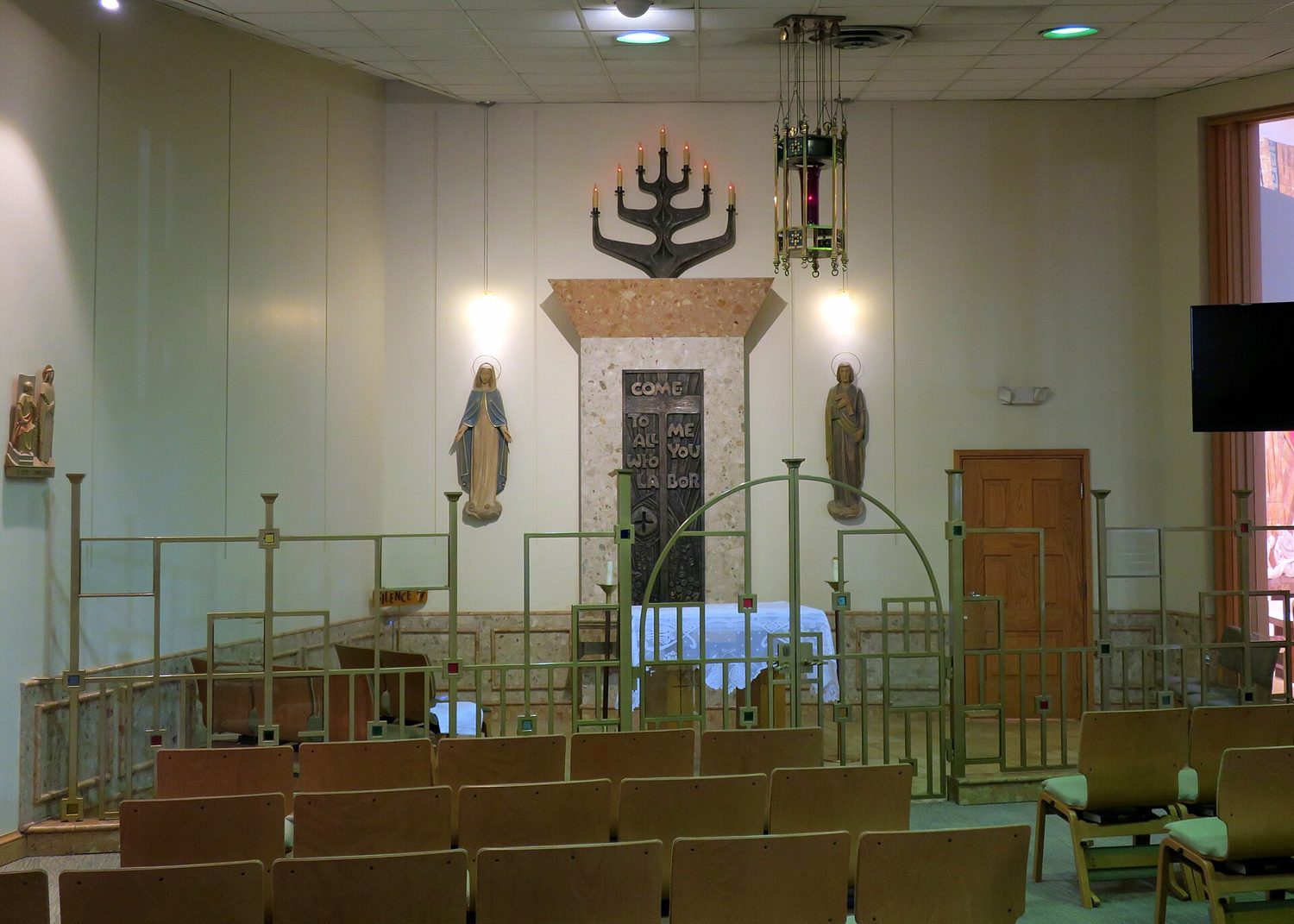
The Altamonte Chapel has a history of being moved, and it has done so twice. Designed by a Boston architect and built in 1885 on Lake Brantley, it originally stood four and a half miles from its current location. The chapel was conveyed to Rollins College in 1897 as payment for tuition—an unusual transaction that speaks to the fluid value of property in that era. In the early 1900s, it was dismantled and moved by wagon. In 1969, it was moved again to make room for a larger sanctuary.
The chapel is a landmark, but it is not a museum.
Altamonte Springs Demographics: Who Lives Here Now
Altamonte Springs is a mid-sized suburb with a population of 45,657. The median age is 36.8 years, which tilts slightly younger than many Florida retirement towns. Educational attainment is notable: 38.9 percent of residents hold a bachelor's degree or higher. The unemployment rate sits at 5 percent, and median household income is $64,106.
The housing stock tells a story of a town that has not entirely left its resort past behind. Of 22,759 total housing units, 302 are held for seasonal or recreational use. A further 2,080 units are vacant—in Florida, that often signals second homes or investment properties waiting for a buyer.
Cost of Living in Altamonte Springs: Home Prices and Rent
The median home value is $263,600, and the median gross rent is $1,624 per month. These figures put Altamonte Springs within reach for professionals who work in Orlando but want a slightly slower rhythm after hours. The balance between owning and renting is fairly even, with a substantial rental market that suggests a population in transition—people moving up, moving in, or moving on.
For context, nearby towns offer different trade-offs. Sanford, 12 miles away, hosts Porchfest and has a historic downtown that draws comparison. Oviedo, 14 miles out, runs Great Day in the Country. Mount Dora, 20 miles away, is famous for its Arts Festival and Craft Fair. Clermont, 25 miles off, does Pig on the Pond, and Dade City, 59 miles south, has the Kumquat Festival.
| Category | Figure |
|---|---|
| Population | 45,657 |
| Median age | 36.8 years |
| Median household income | $64,106 |
| Bachelor's degree or higher | 38.9% |
| Unemployment rate | 5% |
| Median home value | $263,600 |
| Median gross rent | $1,624 |
| Total housing units | 22,759 |
| Housing units for seasonal/recreational use | 302 |
| Vacant housing units | 2,080 |
Beyond the Park: Day Trips and Nearby Festivals
Altamonte Springs is well positioned for those who like to wander. Sanford's Porchfest and Oviedo's Great Day in the Country are both under 15 miles away. Mount Dora, a little farther at 20 miles, pulls in crowds for its Arts Festival and Craft Fair—a reliable weekend destination. Clermont's Pig on the Pond sits 25 miles out, and Dade City's Kumquat Festival is a longer haul at 59 miles but has its own peculiar charm.
The town itself, though, does not need to borrow identity from its neighbours. It was built as a destination, and the park still performs that function daily. The chapel has survived two moves and still stands as a working church. The resort money that built the place is long gone, but the civic instinct to gather around water and public space has never left. Altamonte Springs is a suburb now. It remains a town that knows how to host.
Common questions
- What is Altamonte Springs known for?
- Altamonte Springs started as an 1882 resort built by Massachusetts money. Today its center is Cranes Roost Park, a 45-acre lakefront with a mile of walkway, a 62-foot tower, and a floating stage. It's a suburb now, but the old chapel from 1885 still stands.
- Is Altamonte Springs a good place to live?
- Yes, for many. The median household income is $64,106, and 38.9 percent of residents hold a bachelor's degree or higher. The median age is 36.8, and unemployment is 5 percent. It's a settled suburb with a park as its social hub.
- What is there to do in Altamonte Springs?
- Cranes Roost Park is the main draw—45 acres with a mile of walkway, a choreographed fountain, and the Eddie Rose Amphitheater. Red Hot & Boom, Central Florida's biggest July 4th celebration, happens there on July 3rd with free music and fireworks.
- How did Altamonte Springs get its name?
- Dr. Washington Kilmer settled the area around 1870 and named it Altamonte. Residents voted 38 to 7 to incorporate on November 11, 1920. The resort came later, in 1882, when Massachusetts businessmen formed the Altamonte Land, Hotel and Navigation Company.
- What is the Altamonte Chapel?
- It's a wooden chapel designed by a Boston architect, built in 1885 on Lake Brantley. It was given to Rollins College in 1897 as tuition payment, moved by wagon in the early 1900s, and moved again in 1969. It now stands 4.5 miles from its original site.
- Is Altamonte Springs expensive to live in?
- Median home value is $263,600, and median gross rent is $1,624. That's moderate for Florida. Of 22,759 housing units, only 302 are seasonal, so it's mostly year-round residents. Vacancy is 2,080 units, so there's some turnover but no resort-town emptiness.
Every business named above is one we hold a listing for, and every date traces to a source on our sources page. We do not describe menus, interiors or service we have not verified. Details change — confirm before you travel.