Guides · Altamonte Springs, Florida
Altamonte Springs FL: Winter Resort History & Things to Do
A town that began as a winter refuge for wealthy New Englanders now spends its year entertaining a different kind of visitor: the Central Floridian with an evening free.
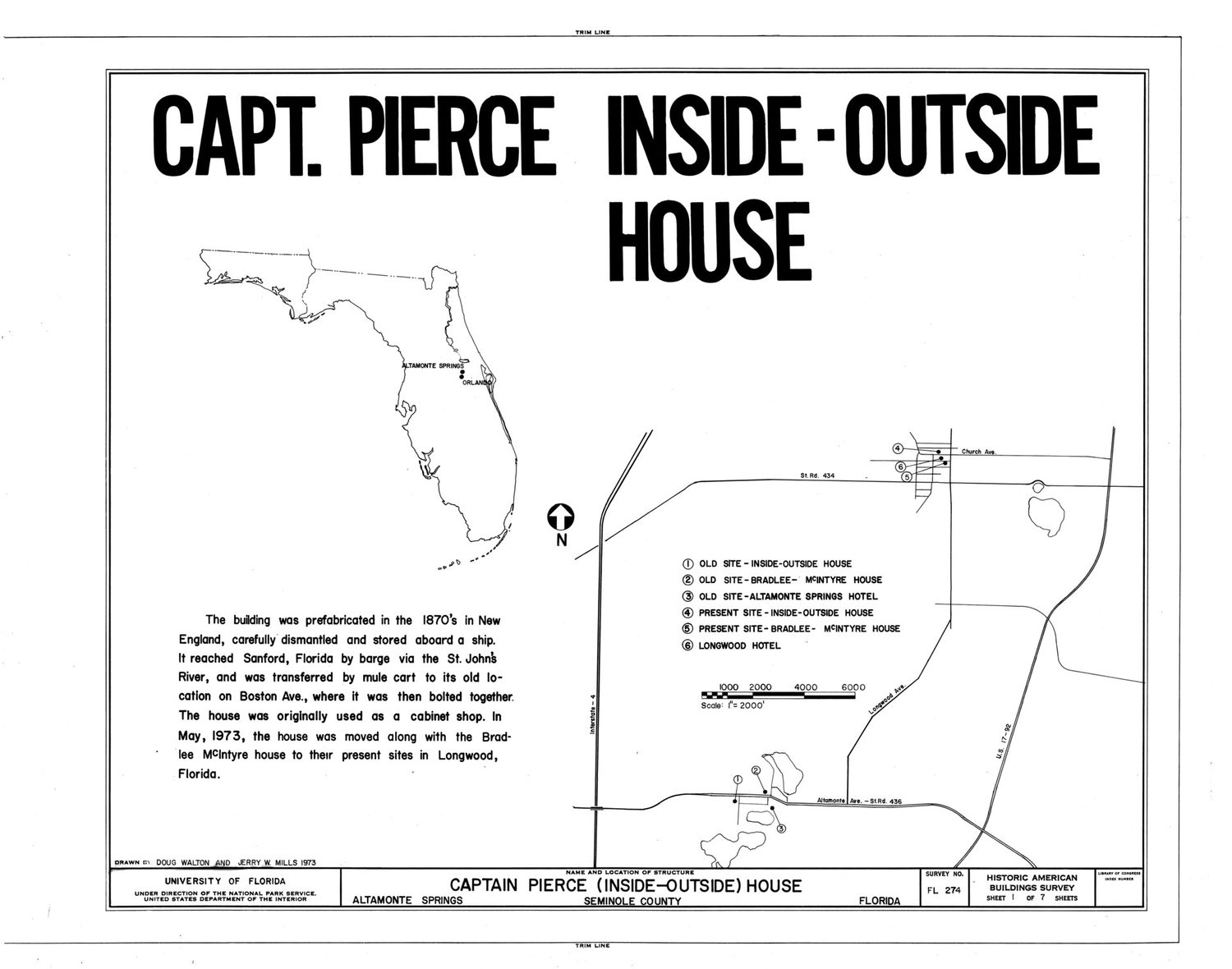
How a Massachusetts Winter Resort Became Altamonte Springs
Dr. Washington Kilmer settled the area around 1870 and gave it the name Altamonte, but it was a group of Massachusetts businessmen who gave it a purpose. In 1882, Thomas C. Simpson and his partners formed the Altamonte Land, Hotel and Navigation Company, and the resort trade followed. The plan was simple: build a winter escape for people who wanted to trade sleet for orange blossoms, and sell them the lots while they were at it. It worked well enough that the town's early character was shaped less by farming or industry and more by hospitality—a seasonal economy built around well-heeled guests who arrived when the weather turned cold back home.
The town incorporated on 11 November 1920, with residents voting 38 to 7 in favour. The resort era had cooled by then, but the town kept its visitor-oriented bones. What remained was a place that understood how to receive people.
Altamonte Chapel: A Historic Wooden Chapel Moved Twice
The most tangible link to that New England money is a small wooden building that refuses to stay put. The Altamonte Chapel was designed by a Boston architect and built in 1885 on Lake Brantley, four and a half miles from where it stands today. In 1897, it was conveyed to Rollins College as payment for tuition—an unusual transaction that speaks to how casually property changed hands in those years. In the early 1900s, the chapel was dismantled and moved by wagon to a new site. In 1969, it moved again, this time to make room for a larger sanctuary.
Two relocations and more than a century later, the chapel remains a wooden relic of the resort era, a quiet reminder that the town's earliest architecture was imported taste, built for people who expected a little bit of New England in the Florida pines.
Cranes Roost Park: Altamonte Springs' Central Gathering Place
If the resort was the town's first attempt at a gathering place, Cranes Roost Park is its current one. The 45-acre park sits around a dredged lake, with a mile of continuous walkway, a 62-foot tower, and the Eddie Rose Amphitheater with a floating stage. A European-style plaza holds a choreographed fountain, and the whole thing was renovated in 2016.
The park is the town's centre of gravity. The walkway loops the lake and gives you the full circuit in about twenty minutes at a leisurely pace. The amphitheater hosts performances on the water. The fountain runs on a schedule that turns the plaza into a light show after dark. It is a planned pleasure, built to draw people in and keep them there—the same logic that drove the 1882 resort company, just with better drainage.
Altamonte Springs Demographics: From Seasonal Resort to Year-Round Suburb
The census data suggests the seasonal economy has thinned out. Of 22,759 housing units in Altamonte Springs, only 302 are held for seasonal or recreational use, and 2,080 are vacant. The population of 45,657 skews young-ish, with a median age of 36.8 years, and the median household income sits at $64,106. Median home value is $263,600, and median gross rent is $1,624. The unemployment rate is 5 percent, and 38.9 percent of residents hold a bachelor's degree or higher.
Those numbers describe a working suburb, not a winter colony. But the town's amenities still cater to a visitor mindset, and the events calendar treats celebration as a civic duty. The resort is gone, but the hospitality habit stuck.
Red Hot & Boom: Altamonte Springs' July 3rd Fireworks Celebration
The town's biggest annual event is a holiday that happens a day early. Red Hot & Boom is billed as Central Florida's biggest Independence Day celebration and is held on 3 July at Cranes Roost Park—not the 4th. Admission is free, live music plays, and fireworks go off over the lake. The 2026 edition was the 29th, meaning the town has been pulling this off for nearly three decades.
Why the 3rd? Because it gives the crowds a chance to do their own thing on the actual holiday, or because it gives the town its own night rather than competing with every other municipality in the region. Either way, it fits the pattern: a planned gathering, built around the water, free to attend, and managed with an eye toward spectacle.
Day Trips to Neighboring Festival Towns
Altamonte Springs works well as a base for exploring Central Florida's festival circuit, mostly because it sits close enough to several towns with their own signature events. Sanford, 12 miles away, hosts Sanford Porchfest. Oviedo, 14 miles out, does Great Day in the Country. Mount Dora, 20 miles away, runs both the Mount Dora Arts Festival and the Mount Dora Craft Fair. Clermont, 25 miles off, has Pig on the Pond. Dade City, 59 miles south, closes out with the Kumquat Festival.
None of these are near enough to walk to, but all are within an easy drive, and they give the region a festival calendar that runs nearly year-round. Altamonte Springs sits in the middle of it, with its own park and its own fireworks, a suburb that still knows how to host.
Altamonte Springs by the Numbers
| Statistic | Value |
|---|---|
| Population | 45,657 |
| Median age | 36.8 years |
| Total housing units | 22,759 |
| Seasonal or recreational homes | 302 |
| Vacant housing units | 2,080 |
| Median household income | $64,106 |
| Median home value | $263,600 |
| Median gross rent | $1,624 |
| Unemployment rate | 5% |
| Bachelor's degree or higher | 38.9% |
The Massachusetts money built the resort, the resort built the town, and the town built a park that does the job the hotel once did: give people a reason to come, a place to walk, and something to watch when the sun goes down.
Common questions
- What is Altamonte Springs known for?
- It started as a Massachusetts-backed resort in 1882, and today the center of gravity is Cranes Roost Park—45 acres around a dredged lake with a mile of walkway, a 62-foot tower, and a floating stage at the Eddie Rose Amphitheater.
- Why is the Altamonte Chapel so far from where it was built?
- The chapel was designed by a Boston architect and built in 1885 on Lake Brantley, 4.5 miles from its current spot. It was conveyed to Rollins College in 1897 as tuition payment, moved by wagon in the early 1900s, then moved again in 1969 to make room for a larger sanctuary.
- When did Altamonte Springs become a town?
- Residents voted 38 to 7 to incorporate on November 11, 1920. Dr. Washington Kilmer had settled the area around 1870 and gave it the name Altamonte.
- What is Red Hot & Boom and when does it happen?
- It's Central Florida's biggest Independence Day celebration, held on July 3 at Cranes Roost Park—not the 4th. Free admission, live music, and fireworks over the lake. The 2026 edition was the 29th.
- Is Altamonte Springs a good place to live or just a tourist spot?
- It's a suburb now—population 45,657, median age 36.8, median household income $64,106. About 38.9% of residents have a bachelor's degree or higher. Only 302 of 22,759 housing units are for seasonal or recreational use, so it's mostly year-round.
- What can I do at Cranes Roost Park?
- Walk the mile-long continuous path around the lake, see the choreographed fountain in the European-style plaza, climb the 62-foot tower, or catch a show at the Eddie Rose Amphitheater's floating stage. The park was renovated in 2016.
Every business named above is one we hold a listing for, and every date traces to a source on our sources page. We do not describe menus, interiors or service we have not verified. Details change — confirm before you travel.